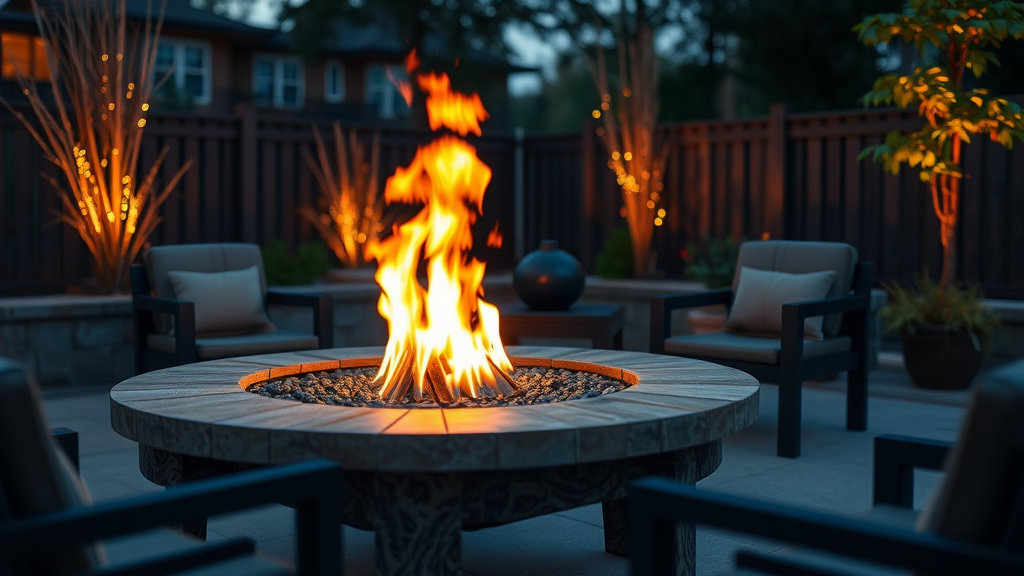
When building or maintaining a propane fire pit, understanding the essential components is crucial for ensuring both functionality and safety. A propane fire pit typically requires several key elements that work together to provide a pleasurable outdoor experience.
One of the primary components is the fire pit bowl, which serves as the main structure where the flames emerge. This bowl is often made from corrosion-resistant materials like steel or cast iron, ensuring durability under varying weather conditions. Additionally, the burner plays a critical role, distributing the propane gas evenly to produce consistent flames. It often features multiple ports to ensure a widespread fire surface.
The propane tank is another essential component. It can either be a portable tank or a larger, permanent installation. The size of the tank influences the burn time and intensity of the flames. Connecting the tank to the burner is the regulator, which controls the pressure of gas flowing to the burner, thus allowing for easy adjustments to the flame size.
- Ignition System: This component may be manual or electronic, providing a reliable way to ignite the propane.
- Control Valve: Allows users to adjust the gas flow and flame height with ease.
- Fire Media: Decorative elements like glass beads or lava rocks enhance aesthetic appeal while aiding in heat distribution.
Finally, adequate ventilation is necessary to ensure safety by allowing gas to dissipate quickly in case of a leak. Each of these propane fire pit components contributes to a functional and enjoyable outdoor fire experience. Understanding their roles can help enthusiasts select the right products and maintain their fire pits effectively.